
Automation in Aviation: When It Works Exactly as Designed and When It Does Not


Blog
Automation is becoming a defining feature of modern aviation. From autopilot systems to advanced emergency technologies, aircraft today are capable of assisting crews in ways that would have seemed impossible a generation ago.
But automation brings both advantages and challenges. When it works correctly, it can dramatically improve safety. When something in the system is misunderstood or misinterpreted, it can create new risks.
Two recent events illustrate both sides of this reality.
One demonstrates automation performing exactly as intended. The other shows how complex automated systems can introduce confusion in critical moments.
Together, they highlight an important truth about modern aviation. Technology improves safety when it is understood, managed, and integrated thoughtfully into cockpit decision making.
The First Real-World Use of an Aircraft Autoland System
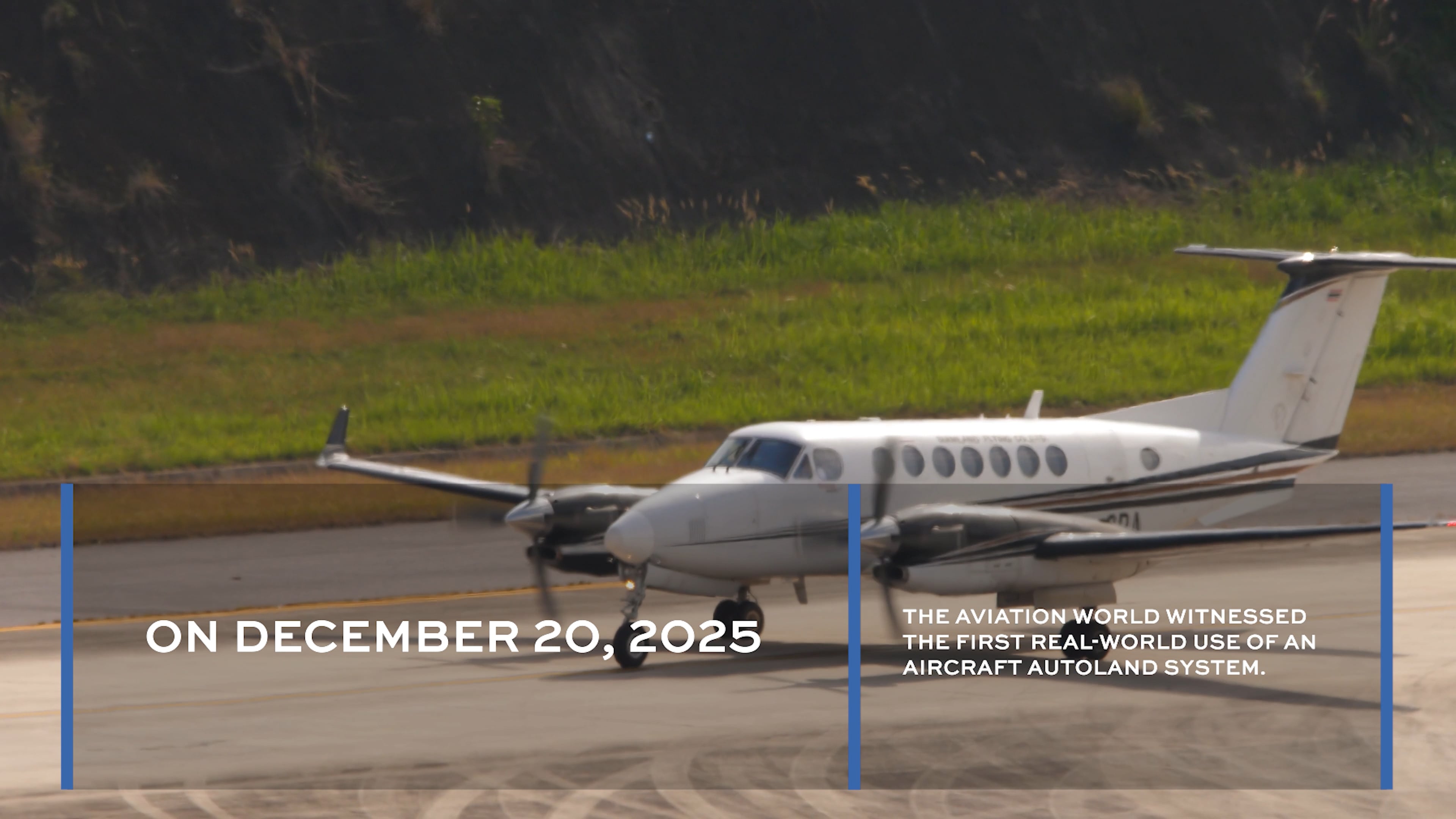
On December 20, 2025, during the busy Christmas travel period, the aviation industry witnessed the first real-world use of an aircraft emergency autoland system.
The flight had departed Aspen, Colorado and climbed to 23,000 feet. It then began a descent toward 18,000 feet.
Shortly after passing 23,000 feet, the aircraft experienced a rapid and uncommanded loss of cabin pressurization.
As trained, both pilots immediately donned oxygen masks.
At that moment, the crew faced a serious in-flight emergency. In this scenario, they preserved all available tools, including the aircraft’s automated emergency landing system.
The autoland system was activated.
What Happened Next
At approximately 2:05 p.m. Mountain Time, air traffic controllers began advising other aircraft of an inbound emergency.
Less than a minute later, controllers reported a non-radio King Air experiencing pilot incapacitation.
Five minutes after that, a computer generated voice appeared on the tower frequency.
The system announced pilot incapacitation and its intention to conduct an emergency autoland.
From that point forward, the automation took over.
The system managed airspeed, flew a descending holding pattern, coordinated with air traffic control, and completed a fully automated landing.
The aircraft touched down safely, came to a stop on the runway, and shut itself down.
No injuries were reported.
The aircraft was not damaged.
This was a clear example of automation performing exactly as it was designed to perform.
What This Means for Aviation
Events like this demonstrate how modern automation can act as a powerful safety layer.
Emergency autoland systems are designed to respond when a pilot is unable to continue flying the aircraft. In the right circumstances, they can manage the entire process of navigation, communication, and landing.
It is a strong example of technology supporting human crews in situations where time and workload become critical.
At its best, automation gives pilots more tools to manage unexpected situations.
When Automation Does Not Go as Planned
Not every automated event unfolds as smoothly.
A different example occurred on November 25, 2022, involving a Cirrus Vision Jet departing near Indianapolis.
Shortly after takeoff, the aircraft experienced an uncommanded automation event.
The pilot survived, but the aircraft was substantially damaged.
According to the NTSB report, the sequence began just after liftoff when the pilot engaged both autopilot and autothrottle.
Moments later, at approximately 226 feet above the ground, the aircraft pitched up unexpectedly and engine thrust reduced.
The pilot attempted to override the system manually but encountered resistance in both the flight controls and the throttle.
Believing the aircraft was approaching an uncontrollable stall, the pilot activated the CAPS parachute system.
What Investigators Found
Investigators later determined that a corroded electrical component had triggered a false signal indicating that the aircraft’s parachute system had already been deployed.
The automation believed the parachute was active.
In response, the aircraft’s automated systems behaved exactly as designed.
The system raised the nose of the aircraft.
Engine power was commanded to idle.
Airspeed was reduced into parameters intended to support a parachute deployment.
The system was responding correctly to the information it had received.
The problem was that the input itself was incorrect.
This was not a software failure. It was automation responding to faulty data.
The Challenge of Mode Confusion
This event highlights an issue that aviation professionals often refer to as mode confusion.
Modern aircraft can operate in many automated modes. Each mode changes how the airplane behaves and how it responds to pilot inputs.
In this case, the pilot did not immediately recognize the automation mode change.
By the time the system was fully disengaged, the aircraft’s airspeed had already decayed beyond a recoverable point.
The CAPS parachute system was activated at approximately 570 feet.
The parachute deployed successfully and the pilot survived the event.
Cirrus has since redesigned aspects of the system, but the incident remains a useful case study in the complexities of advanced cockpit automation.
The Balance Between Technology and Understanding

Taken together, these two events show the same underlying principle.
Automation can absolutely make aviation safer.
But its effectiveness depends on how it is integrated into real world flying.
Pilots must understand what the automation is doing, what mode the aircraft is operating in, and when it is appropriate to intervene.
Technology provides capability. Human judgment provides context.
The two must work together.
A Perspective from HYE Aero
At HYE Aero, we often discuss technology through the lens of how it affects real aircraft ownership and operations.
When owners evaluate aircraft, avionics suites, and safety systems, the conversation should go beyond features and specifications. It should also consider how those systems will actually function in operational environments.
Automation has created meaningful safety improvements across modern aviation. Systems such as emergency autoland and advanced autopilot protection layers can help crews manage difficult situations.
At the same time, these systems require thoughtful training, proper integration, and a clear understanding of how they behave in different modes.
Elevating Aviation with Purpose
The aviation industry continues to move toward more advanced automation. These systems will continue to evolve and become more capable.
When implemented correctly, they can help prevent accidents, reduce pilot workload, and create new safety layers within the cockpit.
But technology alone is not the answer.
It must be paired with training, awareness, and deliberate decision making.
At HYE Aero, that philosophy is captured in a simple idea.
Elevate with Purpose.
Technology should support people. It should not replace them.
When aviation advances with that mindset, both pilots and passengers benefit.
CONTACT US

Contact us
Help
You
Elevate